Contact Us Today
 Begin My Assessment
 Watch Us On Youtube
 enquiries@spineconnection.org


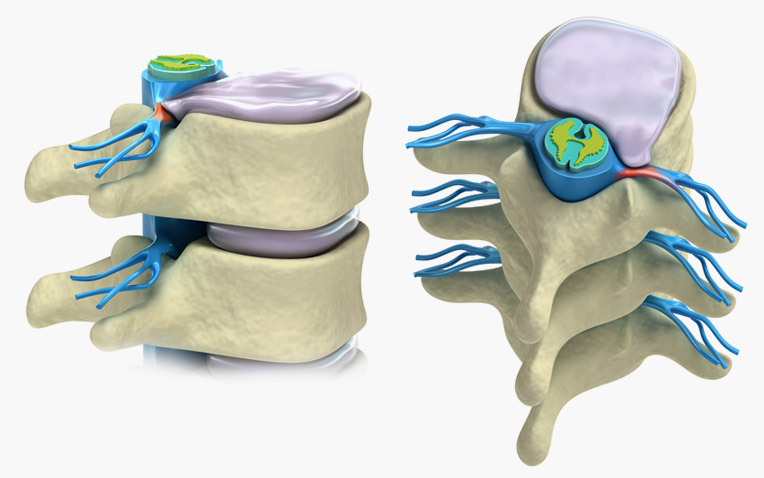
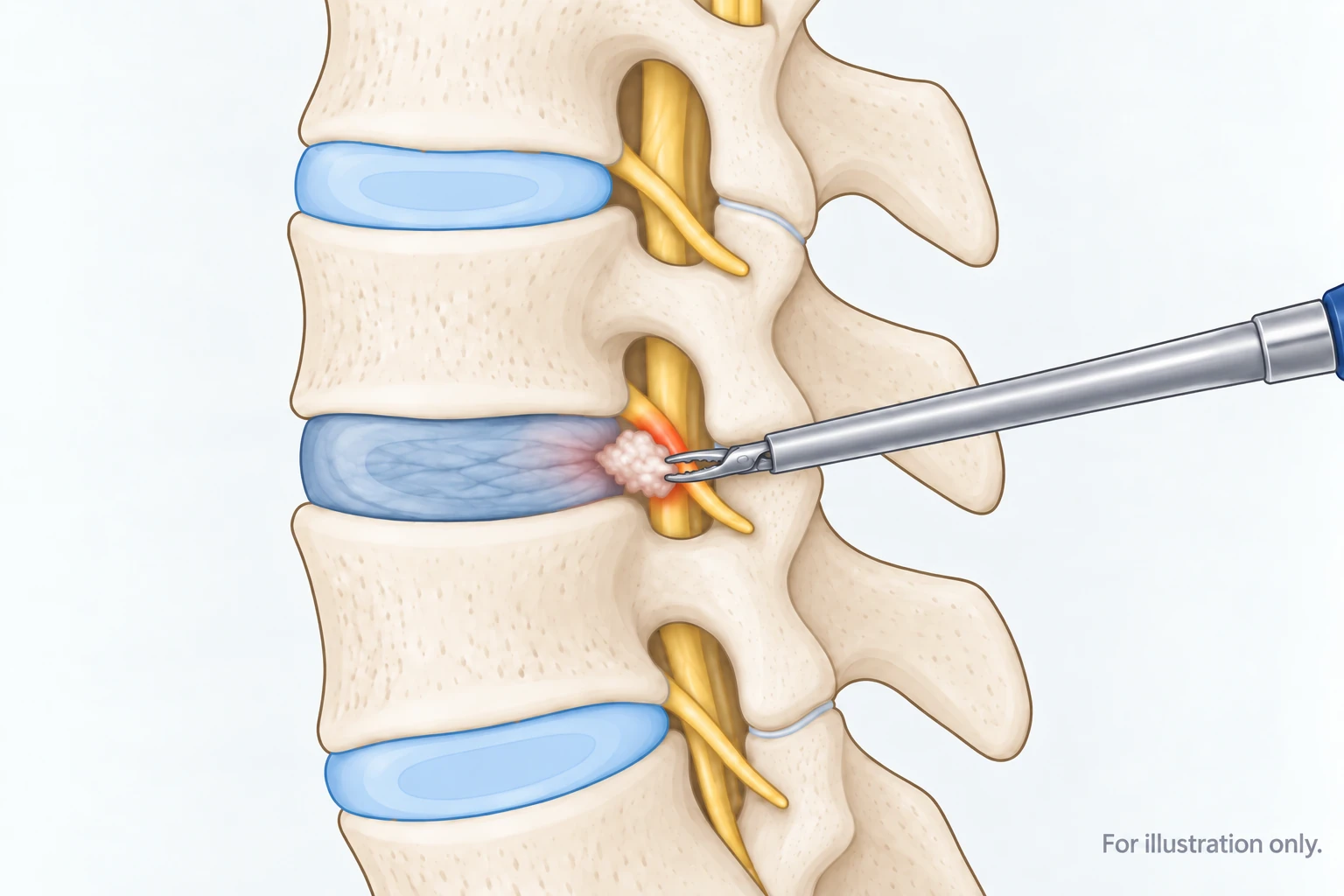
The usual first operation. Through a small, often keyhole or endoscopic, incision, the surgeon removes the fragment of herniated disc pressing on the nerve, which relieves the leg pain. It treats the compression rather than any underlying degeneration, and because it removes disc material, the disc can herniate again: studies put re-herniation at roughly 7 to 18 percent within two years, with most of those going on to need a further operation.
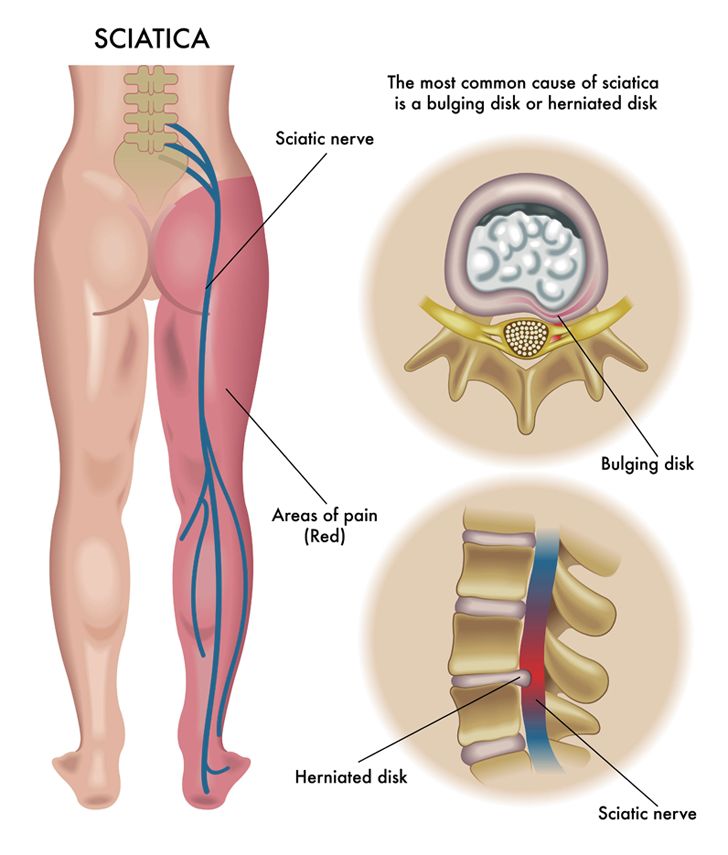
Sciatica is pain that travels from the lower back or buttock into the leg, caused by irritation or compression of a nerve root in the lower spine. It is a symptom rather than a diagnosis in its own right and is commonly associated with lumbar radiculopathy.
Sciatica specifically refers to pain from irritation of the nerve roots that form the sciatic nerve. The sciatic nerve runs from the lower spine through the buttock and down the leg, which is why the pain often follows that path. Most often the problem is at the nerve root in the spine, where something such as a herniated disc presses on it, rather than in the nerve further down the leg. Sciatica is less common than ordinary low back pain, and in most people it settles over time.